
 Adam Reichard, MD, MS, RPVI
Bethesda North Hospital, Trihealth
Cincinnati, Ohio
Co-Director of the Trihealth Heart and Vascular Comprehensive Aortic Center
Associate Program Director of the Integrated Vascular Surgery Residency and Vascular Surgery Fellowship
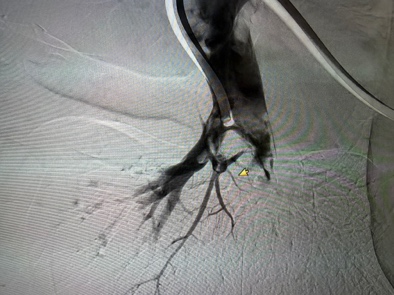
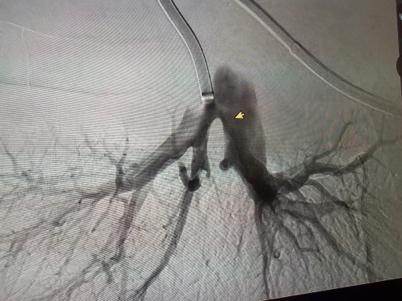
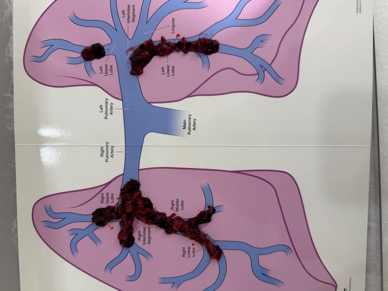
Pulmonary embolism (PE) occurs when a blood clot obstructs the pulmonary arteries, increasing right-sided heart pressures and potentially leading to cardiogenic shock with subsequent hemodynamic collapse. Current treatment is guided by risk stratification: low-risk patients usually need anticoagulation alone, while intermediate- and high-risk patients may require advanced endovascular reperfusion therapies when right ventricular strain or hemodynamic instability is present.
Anticoagulation remains the foundation of PE treatment. Mechanical thrombectomy is one of the fastest growing technologies for the treatment of patients with intermediate-high and high-risk PE. Medium- to large-bore aspiration thrombectomy catheters can evacuate thrombus without the need for thrombolytic drugs and their associated bleeding risk. Currently, the FDA has approved multiple thrombolytics catheters for the treatment of pulmonary embolism including the Boston Scientific EKOS™ (ultrasound-assisted) catheter, Thrombolex’s Bashir™ catheter, and Angiodynamics’ Uni-Fuse™ infusion catheter. This article will focus on mechanical thrombectomy devices.
The FDA has approved 6 pulmonary embolism thrombectomy catheters. Current catheters include the Penumbra 16 French Lightning Flash™ computer-aided vacuum thrombectomy system; Inari Medical 16/20/24 French Flowtriever™ catheter; Angiodynamics 18 and 22 French AlphaVac™ aspiration catheter; Inquis Medical 24 French Aventus™ thrombectomy system, Medtronic 12 French Liberant™ thrombectomy system; and ImperativeCare™ 24 French Symphony™ thrombectomy system. Both Inari Medical and Inquis Medical have FDA-approved blood return systems that allow for the return of aspirated blood.
The Penumbra Lighting Flash catheter utilizes smart clot detection by utilizing a dual-clot detection algorithm, which is pressure= and flow-based, to mitigate blood loss. The Medtronic Liberant thrombectomy system uses a blood conservation unit that features an ultrasonic sensor that measures blood flow. An intelligent algorithm then adapts the pulse rate to mitigate blood loss. The Inari Flowtriever and Angiodynamics Alphavac catheters rely on manual aspiration. The Inquis Medical Aventus thrombectomy catheter is also a manual aspiration catheter, but also uses TrueClot™ sensing, so the proceduralist knows when the catheter is engaging thrombus, allowing for a more efficient thrombectomy procedure. The Imperative Care Symphony Catheter has precise deep vacuum control, allowing for quick and precise clot reduction.
The above systems have been shown to be safe and efficacious and can quickly reduce clot burden, pulmonary artery pressure, and right ventricular strain, although outcomes depend on patient selection, operator experience, and institutional resources. Overall, modern PE care increasingly uses multidisciplinary Pulmonary Embolism Response Teams (PERT) to match treatment intensity to risk, bleeding profile, clot burden, and available technology.
| Device | Pivotal Approval Trial | FDA Clearance Date |
|---|---|---|
| Inari FlowTriever | FLARE | 2018 |
| Penumbra Indigo/Lightning | EXTRACT-PE | 2020 |
| AngioDynamics AlphaVac | APEX-AV | April 2024 |
| Inquis Aventus | AVENTUS | June 2025 |
| Imperative Care Symphony | Symphony-PE | September 2025 |
Note: The Medtronic Liberant thrombectomy system received FDA clearance without a pre-market approval clinical trial, Medtronic did initiate a post-launch clinical survey.