

Misaki M. Kiguchi, MD
Secretary, AVF Executive Committee
Associate Professor, Department of Surgery
Program Director, Department of Vascular Surgery
Director, MedStar Health Vein Centers
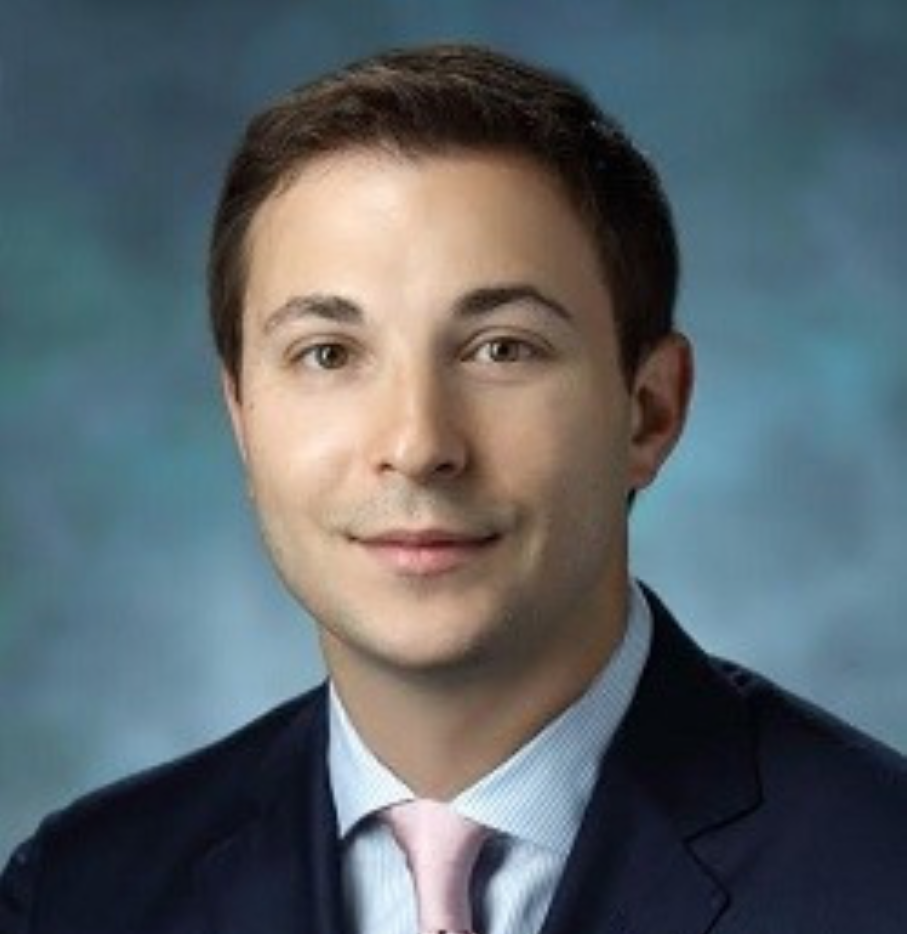
Steven Abramowitz, MD
Vascular Surgery, MedStar Washington Hospital Center
Pulmonary embolism care has gone through a period of remarkable innovation. As large-bore mechanical embolectomy, catheter-directed thrombolysis, and multidisciplinary pulmonary embolism response teams become increasingly integrated into clinical practice, physicians must determine not only what can be done, but what should be done, for which patients, and on the basis of what evidence.
At AVF 2027, a session entitled Pulmonary Embolism Intervention: Experimental or Experiential? will bring these questions to the forefront through a series of focused, provocative debates. Rather than offering a single prescribed approach, the session will place competing interpretations of the evidence side by side and invite the audience to examine the assumptions shaping contemporary PE care.
Among the topics to be discussed, a highlighted debate will include whether procedural adoption and care algorithms for pulmonary embolisms should be driven primarily by mortality and major morbidity, or whether patient-reported outcomes—including functional recovery, quality of life, and persistent symptoms— should play a more prominent role?
The second portion of the session is Obstructive Iliac Vein Interventions: Evidence versus Enthusiasm. The first debate will consider whether stenting nonthrombotic iliac vein lesions (NIVL) in patients with POTS is indicated to provide symptomatic relief, or whether venous interventions for the management of POTS are not indicated. The second debate will address whether NIVLs uncovered during iliofemoral thrombectomy for acute DVT should routinely be stented, or whether intervention should instead be staged. Together, these debates will examine the clinical evidence behind increasingly adopted venous interventions and challenge the audience to distinguish established benefit from procedural enthusiasm.
Scientific progress depends on thoughtful disagreement. By challenging prevailing assumptions and clarifying where evidence ends and experience begins, this session will help clinicians better evaluate emerging therapies and make more informed, patient-centered decisions.